Why Regular Septic Services Save You Money
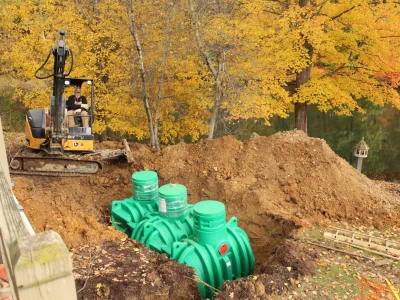
Most homeowners do not think much about their septic system until something smells wrong, drains slow down, or soggy ground starts showing up where it should not. That is understandable. A septic system is buried, quiet, and easy to forget. Yet it handles one of the most important jobs on the property every single day. When it is maintained on schedule, it usually stays out of the way and does its work for decades. When it is neglected, the repair bill can move from manageable to painful very quickly.
Regular septic services are often seen as an expense to put off. https://www.google.com/maps?cid=9554017660164083124 In practice, they are one of the clearest examples of preventive maintenance paying for itself. A routine inspection or pumping appointment costs far less than drain field restoration, emergency excavation, sewage cleanup, or replacing a failed tank. That is the financial argument in plain terms, but there is more to it than comparing one invoice with another. Consistent care extends equipment life, reduces household disruption, protects property value, and prevents the kind of hidden damage that keeps growing long before anyone notices.
Homeowners who have lived with septic systems for years usually understand this instinctively. The pattern repeats itself across rural homes, lake properties, older subdivisions, and newer custom builds. The families that stay on top of service intervals tend to avoid the large, messy, expensive problems. The ones who wait until there is a crisis often spend far more than they expected, and usually at the worst possible time.
The money leak starts long before failure
A septic system rarely goes from perfect to catastrophic in a single day. Most failures develop in stages. Solids build up in the tank. Filters clog. Effluent stops moving as freely as it should. The drain field starts receiving wastewater it cannot process efficiently. Fixtures inside the house may still work, but they begin to show subtle warning signs. Toilets flush a little slower. Tubs drain lazily. The area around the tank or field stays damp longer after rain. Odors come and go.
This slow progression matters because it creates a costly illusion. Since the home is still functioning, many people assume the system is fine. They postpone septic services for another season or another year. During that delay, the problem often gets more expensive. Solids that should have been pumped out of the tank move downstream. Baffles can be damaged. Pumps work harder than they should. Excess moisture in the drain field can compact soil or reduce treatment capacity over time.
By the time a homeowner calls for help, the original low-cost maintenance issue may have turned into several separate repairs. A service visit that could have been a few hundred dollars becomes a chain of costs involving diagnostics, pumping, line clearing, component replacement, soil evaluation, landscaping restoration, and sometimes temporary lodging if the plumbing cannot be used safely.
Pumping is cheaper than letting solids travel
The simplest financial case for routine care starts with septic tank pumping. Every tank collects solids. That is normal. The system is designed for waste to separate into layers, with sludge settling at the bottom and scum floating at the top. The liquid in the middle moves out for further treatment. Over time, though, the sludge and scum layers get thicker. If they are not removed, solids can leave the tank and enter parts of the system that were never meant to handle them.
That is where costs rise sharply. Replacing or rehabilitating a drain field is one of the most expensive septic-related jobs a homeowner can face. Exact prices vary by region, soil conditions, system type, accessibility, and permitting requirements, but it is common for major repairs to reach thousands or even tens of thousands of dollars. Compare that with the cost of scheduled pumping every few years, and the economics become obvious.
The right pumping interval depends on tank size, household size, water use habits, and what goes down the drains. A two-person household with conservative water use may go longer between services than a family of five with frequent laundry loads and a garbage disposal. There is no honest one-size-fits-all rule. That said, many homes benefit from inspection every one to three years and pumping somewhere within a three- to five-year range, sometimes sooner. A professional who sees the tank condition in person can give a much better recommendation than a generic calendar reminder.
One homeowner I spoke with years ago had delayed pumping because the system had "never given trouble." When the tank was finally opened, the solids level was high enough that material had already started moving into the outlet. The pumping bill was still reasonable. If that visit had been postponed another year or two, the field might not have escaped damage. That is what regular maintenance often buys you, not just service performed, but a chance to catch the problem at the last inexpensive moment.
Small inspections prevent large repairs
Pumping gets most of the attention, but inspections deserve equal credit for saving money. A trained technician does more than check whether the tank is full. They look at baffles, tees, tank integrity, filter condition, liquid levels, pump operation if the system uses one, and signs that wastewater is not moving through the system as intended.
Many of the worst septic bills begin with a minor issue that stayed hidden too long. A cracked lid can become a safety hazard and let excess water in. A failing effluent pump can lead to backup or overload. A clogged filter can create pressure throughout the system. Tree root intrusion can start as a modest line issue and become a major excavation job if ignored.
These are not glamorous problems, but they are exactly the kind that routine septic services are meant to uncover. A service call that identifies a worn float switch or a deteriorating baffle gives the homeowner options. Repairs can be scheduled. Costs can be compared. Work can be done before the system backs up during a holiday weekend or a house full of guests.
Emergency work is almost always more expensive than planned work. Crews may have to respond after hours. Excavation may be less controlled. Cleanup adds labor. Damage inside the house, especially if sewage backs up onto flooring or into finished spaces, can multiply the financial hit. Prevention may not feel urgent, but emergency restoration certainly does.
Water use habits shape your maintenance costs
One reason regular septic services save money is that they help homeowners connect daily habits with system wear. The septic system does not only respond to what enters it, but also to how quickly and how often. Too much water in a short period can stir solids, reduce settling time, and push partially treated wastewater where it should not go.
This is one of those areas where a modest adjustment can protect a very expensive asset. Spreading laundry across the week instead of doing ten loads on Saturday helps. Fixing running toilets helps even more. A toilet that quietly leaks can send hundreds of gallons through the system over time. From the homeowner's perspective, that means paying for wasted water while also stressing the septic system and shortening the interval before the next service need.
Professionals performing septic services often notice these patterns before the homeowner does. They may see signs of hydraulic overload, unusually high liquid levels, or wear consistent with constant excess flow. That feedback is practical. It tells you whether the issue is really septic capacity, household usage, or both.
This is where money is saved twice. First, you avoid paying for unnecessary repairs aimed at the wrong problem. Second, you reduce ongoing strain that would keep pushing the system back toward trouble.
What routine service often catches early
Regular care is valuable because it identifies issues while they are still manageable. The savings come from timing more than anything else.
- Rising solids that indicate the tank needs pumping before the field is affected
- Effluent filter clogs that can be cleaned before they trigger backups
- Early pump or float problems in pressure systems
- Cracks, leaks, or damaged lids that let groundwater enter the tank
- Drain field stress signs, such as persistent wet spots or abnormal odors
None of these items is pleasant to deal with, but each is cheaper when found early. That is the entire point of preventive service. It moves the homeowner from reacting to damage toward managing wear.
Deferred maintenance tends to hide secondary costs
The obvious costs of septic failure are repairs, pumping, excavation, and replacement. The secondary costs often catch people off guard. A backup in the home can damage flooring, drywall, furniture, and stored belongings. Even a minor event may require professional sanitation. If the smell lingers, it can be difficult to fully restore indoor comfort without additional cleaning.
Outside, a failing drain field can leave the yard muddy and unusable. Landscaping may need to be torn up to access tanks, lines, or distribution components. Fencing may have to be removed temporarily. In some cases, driveways or hardscaping complicate access and add cost. If local regulations require permits or inspections for repair work, delays can extend the disruption.
Then there is the scheduling problem. Planned septic services happen when you choose. Failures happen when they choose. They show up before family gatherings, after heavy rain, in the middle of a property sale, or during a season when contractors are booked solid. A system that might have been maintained calmly in spring can become an emergency in late summer when every septic company in the county is busy.
Homeowners rarely calculate the value of their own time in these situations, but they should. Taking off work, coordinating estimates, managing cleanup, and living around a plumbing problem all have real economic weight.
The drain field is where the big money is
If there is one part of the system worth protecting above all others, it is the drain field. Tanks can be pumped. Filters can be cleaned. Pumps and floats can be replaced. A compromised drain field is a much more serious financial event.
The drain field depends on wastewater arriving in the right condition and at a manageable volume. When solids escape the tank, when grease builds up excessively, or when too much water floods the system, the soil treatment area starts to lose efficiency. Once that area becomes clogged or saturated beyond recovery, the repair path gets more complicated and more expensive.
Sometimes a field can be partially restored or conditions can be improved through targeted repairs. Sometimes the system needs substantial reconstruction or replacement. Whether the solution is modest or major depends on the site, the age of the system, the extent of the damage, and local code requirements. The common thread is simple: routine septic services give you the best chance of never reaching that point.
Homeowners sometimes ask whether they can "save money" by stretching pumping intervals a little longer. That question makes sense if viewed narrowly. But when the drain field is on the line, saving a few hundred dollars now can expose you to a future bill that is twenty or thirty times higher. That is not thrift. It is deferred risk.
Selling a home with a neglected septic system is expensive in a different way
Septic issues do not only cost money through repairs. They can also reduce negotiating power when a home goes on the market. Buyers are cautious around septic systems, especially if records are incomplete or the property shows signs of poor maintenance. A home inspection or septic evaluation that reveals overdue service, standing water, odors, or questionable system performance can stall a transaction fast.
At that point, the seller often loses leverage. Repairs must be rushed. Buyers may ask for credits. Some walk away entirely. Even if the system technically still works, a lack of documentation raises suspicion. By contrast, a homeowner who can show a history of regular septic services, pumping records, and recent inspection notes presents a much lower-risk property.
That paper trail has financial value. It supports price, speeds decisions, and reduces the chance that a buyer will assume the worst. In markets where buyers already have choices, avoiding preventable uncertainty matters.
Not every system needs the same service schedule
One mistake homeowners make is assuming their neighbor's schedule should be their schedule. Septic systems vary too much for that. Tank size, occupant load, fixture count, seasonality, garbage disposal use, water softener discharge, and even the age of the home all affect maintenance needs.
A vacation cabin may sit lightly used most of the year, then suddenly host a full house for long weekends. An older family home may have been built for two bedrooms and now serve four full-time residents. A house with a basement apartment may place much more demand on the system than the original design anticipated. These differences matter.
That is another reason regular professional septic services save money. They replace guesswork with observation. A technician can tell you whether your service interval should be shorter, whether your pump is cycling normally, and whether your water use pattern is working against the system. Those recommendations are useful precisely because they are specific.
Cheap advice from the internet tends to be expensive in the field. Septic systems are local, physical, and highly dependent on actual conditions underground.
Sensible habits that make service dollars go further
Maintenance works best when paired with everyday habits that reduce stress on the system. These are not dramatic changes. They are the kind of practical measures that keep a well-functioning septic system stable for the long term.
- Fix leaks promptly, especially running toilets and dripping fixtures with constant flow
- Keep grease, wipes, hygiene products, and harsh non-biodegradable waste out of drains
- Spread heavy water use across the week instead of overloading the system in one day
- Protect the drain field from vehicle traffic, soil compaction, and deep-rooted plantings
- Keep records of every inspection, pumping, and repair for future planning
These habits do not replace septic services, but they make those services more effective. They also help homeowners see the system as part of the household infrastructure, not an isolated utility buried somewhere in the yard.
The false economy of waiting until there is a smell
A lot of people use odor as their trigger to call for service. By then, the system may already be under significant stress. Smell is not an early warning in many cases. It is a late one. The same goes for visible surface water or indoor backup. Those are not reminders to start thinking about maintenance. They are signs that maintenance has already been overdue.
Waiting for symptoms feels economical because it avoids spending money before there is an obvious need. In reality, that approach strips away the two biggest advantages a homeowner has: timing and choice. Routine septic services let you choose when to schedule, whom to hire, and how to plan for cost. Emergency failure takes those choices away.
That difference is not theoretical. Planned maintenance is usually performed under normal site conditions with manageable labor and limited damage. Reactive repair often happens under pressure, with more troubleshooting, more disruption, and less room to compare options.
Good septic care is quiet financial protection
The best maintenance rarely produces a dramatic story. Nothing backs up. No trench is dug across the yard. No flooring gets replaced. No one has to explain to guests why the bathroom is off limits. The system simply keeps working. That quiet reliability is easy to underestimate because it does not announce itself.
Yet from a financial perspective, that is exactly what makes regular septic services worthwhile. They prevent high-cost failures, preserve the most expensive parts of the system, catch modest problems before they escalate, and help households adjust habits that waste water and strain equipment. They also protect resale value and reduce the odds of paying premium prices for emergency work.
A septic system is one of those parts of a home where discipline beats drama every time. Spend a little at the right intervals, and you usually avoid spending a lot at the wrong moment. For most homeowners, that is the simplest and most honest reason regular septic services save money.
Excavating New Jersey LLC
Address: 406 County Rd 565, Wantage, NJ 07461
Phone number: +19737914284
FAQ About Septic Services
What is the average cost to get a septic tank emptied?
Emptying a septic tank costs between $290 and $560 on average, with most homeowners paying about $420. Prices vary based on tank size.
What is septic service?
Septic service inspects, pumps, cleans, and maintains a septic tank. A septic tank is a large, underground container that collects and treats wastewater from your home. Over time, sludge, scum, and other debris, like hair and solids, can build up in your tank and clog your drain field.
How often should you have a septic tank serviced?
A standard septic tank should be inspected every 1 to 3 years and pumped every 3 to 5 years. However, the exact schedule depends on your tank's capacity, household size, and daily water usage.