Essential Facts About Norweco Singulair Green for Property Owners
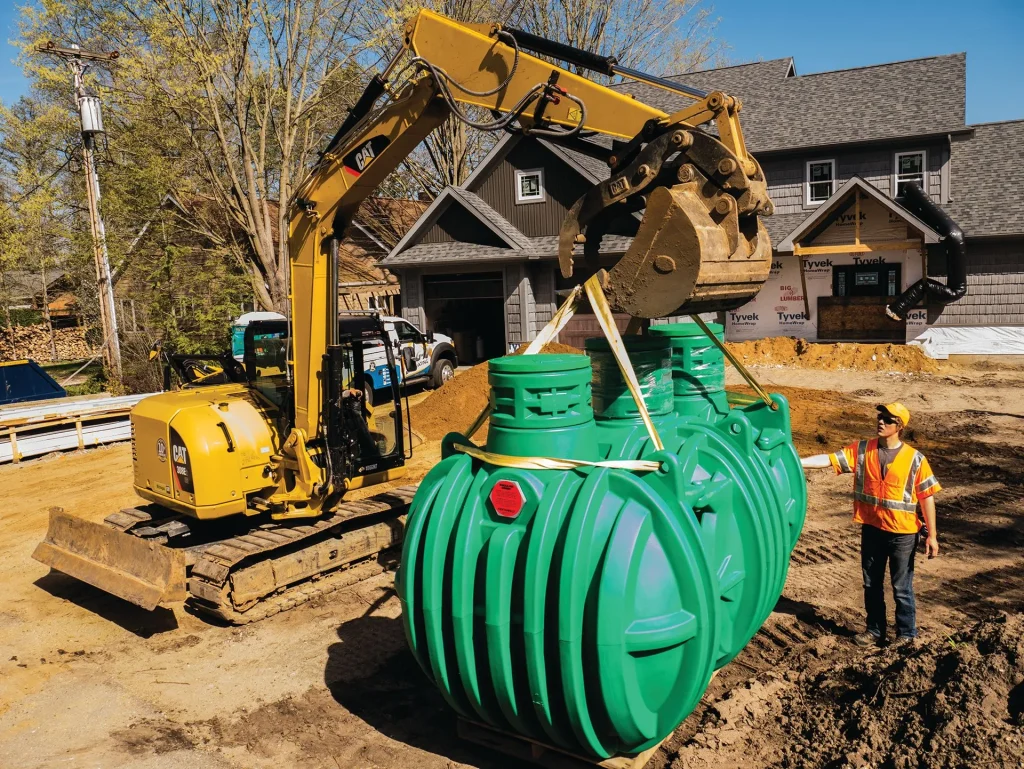
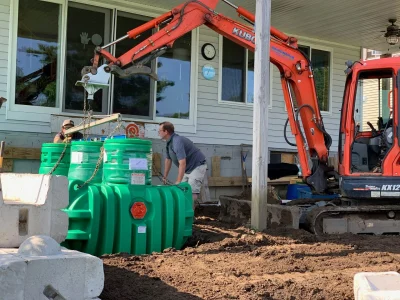
For many property owners, wastewater treatment stays out of sight until something smells wrong, drains slow down, or a local inspector starts asking questions. That is usually when the learning curve gets steep. If you are evaluating a norweco singulair green system for a home, small commercial site, or replacement project, it helps to understand what this equipment is meant to do, where it fits, and what ownership actually looks like after the installation crew leaves.
This is not the same decision as picking a water heater or replacing a garbage disposal. A treatment system affects health, permitting, resale, maintenance obligations, and in some areas your ability to build on the lot at all. I have seen owners focus heavily on the tank price and miss the bigger picture, which is operating reliability, service access, power supply, site conditions, and local compliance. Those are the issues that tend to matter most three years later.
Where the Norweco Singulair Green fits
The norweco singulair green name is generally associated with an aerobic wastewater treatment system. In practical terms, that means it treats household sewage more actively than a basic conventional septic tank. A standard septic tank mostly settles solids and relies on downstream soil treatment to do much of the cleanup. An aerobic treatment unit introduces air into the process so bacteria that thrive in oxygen-rich conditions can break down waste more efficiently.
That distinction matters on properties where a traditional gravity septic setup is not ideal. Small lots, poor native soils, high seasonal groundwater, waterfront restrictions, and replacement situations with limited room often push owners toward advanced treatment. Aerobic systems also come up when local rules require a higher treatment standard before effluent reaches a drainfield, shallow dispersal area, drip irrigation field, or another approved discharge method.
A common misconception is that an aerobic treatment system is automatically a cure-all for a bad site. It is not. It can improve treatment quality, but it still has to be paired with the right norweco singulair green dispersal design, installed to code, and maintained correctly. I have walked properties where the tank itself was fine but the downstream area was undersized, flooded, or compacted by equipment. In those cases, the owner blamed the treatment unit when the real failure was the site design.
How the treatment process works in plain language
Most owners do not need a laboratory-level explanation, but they do benefit from knowing the broad sequence. Wastewater from the house enters the treatment system, solids settle where they are supposed to settle, and the liquid portion moves through treatment stages that support biological breakdown. In an aerobic unit, an air source helps oxygenate the wastewater so aerobic microbes can digest organic matter more effectively than in an oxygen-starved environment.
The treated water then moves on to whatever final dispersal method the site and permit require. Depending on the design and jurisdiction, that may be a drainfield, low-pressure pipe system, mound, drip dispersal setup, or another approved absorption area. Some systems also include disinfection or polishing steps, depending on regulations and application.
From an ownership standpoint, one practical takeaway stands above the rest: this is an electromechanical treatment system, not just a buried tank. It typically depends on components such as aeration equipment, controls, and alarms. That means power interruptions, neglected service, or disabled alarms can matter a lot more than they do with a simple septic tank.
Why property owners choose this type of system
Most people do not shop for advanced onsite treatment because they are curious about wastewater engineering. They choose it because the site, the permit, or the replacement scenario points them there. On some rural parcels, a conventional system may simply not pass the soil evaluation. On lakefront or coastal properties, environmental protections can be stricter. On infill lots, there may be very little room to work with.
There is also a performance argument. Better pretreatment can reduce stress on the soil dispersal area when the system is designed and managed well. That can be meaningful where replacement options are limited. If you have a steep lot, expensive landscaping, a long driveway crossing, or mature trees close to the only feasible field area, preserving the life of the dispersal component is not an abstract benefit. It is money and disruption avoided.
That said, higher treatment capability comes with greater responsibility. Owners who want a set-it-and-forget-it setup are often better matched with a conventional system if the site legally and technically supports one. An aerobic system asks more of the owner, or at minimum more of the owner’s service provider.
The real ownership difference: maintenance is not optional
This is the point many sales conversations soften too much. A norweco singulair green system is generally intended to be serviced on a regular schedule. That is not a flaw. It is the nature of advanced treatment equipment. The biological process needs stable conditions, mechanical parts need inspection, and sludge levels still need attention.
In many states and counties, regular service is not just smart, it is part of the permit or operating agreement. Some jurisdictions require an ongoing maintenance contract with a licensed provider. Others require periodic sampling, reports, or proof of inspection. If you are comparing bids, always separate the installation cost from the first five years of ownership cost. Those numbers tell a much more honest story.
Service visits often include checking aeration performance, alarm function, solids accumulation, sludge and scum levels, electrical components, and the condition of pumps or filters if the system includes them. If disinfection is part of the design, that component needs its own attention as well. A neglected advanced treatment unit can lose treatment quality long before the toilets back up or the yard gets wet.
I have met owners who assumed that because the grass looked normal, everything underground must be fine. Then a routine inspection showed a failed air component and months of reduced treatment performance. The system had not announced the problem dramatically, but it had been drifting out of spec all the same. Quiet failures are one reason maintenance contracts earn their keep.
Installation quality matters more than brochure language
A well-built product can still perform poorly if installed carelessly. With onsite wastewater, workmanship is often the dividing line between a system that hums along for years and one that becomes a recurring frustration. Tank placement, bedding, inlet and outlet elevations, venting, electrical work, riser access, watertight connections, and final grading all affect long-term results.
One issue I pay close attention to is service accessibility. Lids, risers, and controls should be placed so routine maintenance can happen without excavation gymnastics. If a technician has to fight shrubs, decorative stone, or a deck skirt every time they service the unit, maintenance tends to get delayed or done less thoroughly. What looks tidy on move-in day can become a nuisance for the next fifteen years.
Another practical concern is stormwater. Surface runoff should not be allowed to pour toward tank lids, control panels, or the dispersal area. I have seen beautifully installed systems undermined by a simple grading mistake that sent roof and driveway water into the treatment zone. Extra clear water may sound harmless, but too much hydraulic loading can upset treatment and shorten field life.
Power use, noise, and day-to-day living
Because aerobic systems use active components, property owners often ask whether the system will noticeably change utility bills or daily life. The answer depends on the configuration, household flow, and local power rates, but it is fair to expect some electrical use. It is usually not a dramatic household expense, yet it is a real operating cost and should be treated that way.
Noise is another concern, especially on smaller lots or near patios and bedroom windows. Under normal conditions, these systems are typically not obtrusive, but placement still matters. A system tucked thoughtfully into the site tends to disappear from awareness. A system placed next to an outdoor seating area may become an annoyance even if the sound level is modest.
From a practical perspective, the larger lifestyle issue is not noise or power. It is household habits. Like any onsite wastewater system, an aerobic treatment unit performs best when owners avoid overloading it with grease, wipes, harsh chemicals, and erratic surges of water. Three back-to-back days of hosting guests, running extra laundry, and draining a whirlpool tub can stress a marginally sized or poorly maintained setup more than most people expect.
What can go wrong, and how owners usually first notice it
Problems rarely begin with a dramatic failure. More often they show up as small clues. An alarm sounds. Drains behave differently. Odors appear where there were none before. A service provider notes unusual solids carryover, poor aeration, or evidence that the downstream field is taking water poorly.
Here are the most common warning signs worth taking seriously:
- A control panel alarm, even if fixtures still seem to work normally
- Persistent sewage or musty odors near the tank, control area, or dispersal field
- Soggy soil, unusually lush growth, or standing water around the treatment or field area
- Slow drains or gurgling plumbing when the household water use has not changed
- Repeated breaker trips or other electrical issues affecting treatment components
Owners sometimes silence an alarm and postpone the service call because the toilets still flush. That is a gamble. In advanced treatment, alarms are often your early warning system. Ignoring them can turn a simple repair into a much more expensive chain reaction.
Pumping still matters
A surprising number of owners believe that because an aerobic system treats wastewater more aggressively, it does not need periodic pumping. That is not how solids work. Sludge and scum still accumulate and need to be managed according to the manufacturer’s guidance, service provider recommendations, and actual loading conditions.
Pumping intervals vary. Household size, garbage disposal use, cleaning habits, and even whether the property is occupied full time or as a weekend home all influence accumulation rates. A retired couple in a two-bedroom house usually loads a system differently than a family of five with frequent guests and a heavy laundry schedule. This is one reason I prefer real inspection data over generic promises. A technician measuring actual sludge levels gives you something useful. A salesperson saying “you probably won’t need pumping for years” does not.
How it compares with a conventional septic system
The trade-off between an aerobic system and a conventional septic system is not subtle. A basic septic system is simpler, usually less expensive to operate, and often more forgiving from an owner involvement standpoint. If the site supports it and regulations allow it, that simplicity can be a major advantage.
The norweco singulair green type of system earns its place where higher treatment quality is needed or where conventional options are constrained. That can make it the right answer, but not the cheapest answer over time. The installation may cost more, the maintenance will usually be more structured, and the system will depend on mechanical parts that eventually need service or replacement. In exchange, you may gain a viable permit path on a difficult site and better treatment before effluent reaches the soil.
When buyers ask me whether advanced treatment is “better,” I usually answer with another question: better for what? Better for a challenging lot, often yes. Better for a hands-off owner who hates service obligations, not necessarily.
Questions to settle before you sign a contract
The most expensive mistakes often happen before the equipment is even ordered. Owners assume they are buying a complete solution when they may only be buying one piece of a larger permitted system. Pin down the details in writing.
Use these questions when reviewing proposals:
- What exactly is included beyond the treatment unit itself, including electrical work, controls, risers, excavation, backfill, and restoration
- What maintenance schedule is recommended, and is a service contract required by the permit or local regulator
- How is the treated effluent dispersed on this site, and what are the known limitations of that dispersal area
- What alarms or notifications will the owner receive, and who responds after hours if one goes off
- Which components are considered routine wear items, and what replacement costs are typical over the first five to ten years
That last question is where some bids start to look very different. A lower installation number can lose its appeal if the owner later discovers high service call minimums, difficult parts sourcing, or awkward access that increases labor every time the system is touched.
Regulatory reality and resale impact
Onsite wastewater is local. Two counties in the same state may treat similar systems very differently. One may require a formal operation permit and annual reporting. Another may focus mainly on installation approval and complaint response. You cannot safely assume that what your neighbor has across the county line will apply to your property.
That local variation affects resale. Some buyers are comfortable with advanced treatment systems, especially in areas where they are common. Others hear “aerobic” or see a service contract and get nervous. Good records help. If you own a norweco singulair green system, keep every permit, as-built drawing, service invoice, pumping receipt, and repair note organized. A clean maintenance history reassures buyers and their inspectors far more effectively than verbal assurances.
I have seen transactions slow down because the seller could not produce basic system documentation. The house itself was attractive, but the wastewater file looked like a shoebox of random papers. That uncertainty gives buyers leverage and can force concessions. By contrast, a well-documented system often passes through due diligence with much less friction.
Cold weather, vacation homes, and irregular use
Not every property uses wastewater in a steady suburban pattern. Seasonal cabins, short-term rentals, and homes that sit empty for stretches deserve special thought. Biological treatment systems generally perform best with reasonably consistent loading. Long idle periods, followed by sudden heavy use, can be harder on treatment stability than many owners realize.
That does not mean an aerobic system cannot serve a vacation property. It means management matters. Service frequency, startup expectations, and occupancy patterns should be discussed openly with the installer and maintenance provider. In cold climates, access points and exposed components also need attention so winter service is practical and freeze risks are reduced.
Short-term rentals can be especially tough on onsite systems because guests rarely treat plumbing gently. A host may have a premium house with a high nightly rate and still end up with clogged filters, overloaded flows, or flushed items that should never have entered the system. If a rental property relies on advanced treatment, owner education should extend to guest communication, water use management, and close service oversight.
Costs that tend to surprise owners
The sticker price is rarely the full story. Beyond the installed system, owners should expect a mix of recurring and periodic expenses. Electricity is one. Routine service is another. Pumping remains part of the picture. Then there are intermittent repairs, which may include pumps, aeration components, controls, floats, or alarm-related parts depending on the specific setup.
Landscaping restoration can also creep up on people. A replacement installation may disturb driveways, irrigation norweco singulair green lines, decorative plantings, or fence sections. If your site is tight, access may require extra labor or equipment. I have seen owners focus so closely on the treatment equipment quote that they were genuinely surprised by the cost to restore a stone path and move a few mature shrubs.
This is where a realistic five-year cost projection helps. Not a vague assurance, an actual estimate with maintenance frequency, pumping assumptions, expected service rates, and likely wear items. It will not predict every repair, but it will give you a far better basis for comparison than installed cost alone.
Habits that help the system last
Most wastewater advice sounds repetitive because the fundamentals really do matter. Spread out laundry if possible. Fix leaking toilets and dripping fixtures quickly. Be cautious with bleach, disinfectants, solvents, grease, and “flushable” products. Keep heavy vehicles off treatment and field areas. Route roof drainage and surface runoff away from the system.
The reason these habits matter more with advanced treatment is that you have both biology and equipment to protect. Excess water can reduce treatment effectiveness and burden downstream dispersal. Harsh chemicals can disrupt microbial activity. Wipes and nondegradable materials can foul pumps, filters, and moving parts. A little discipline at the sink and laundry room is cheaper than emergency service on a holiday weekend.
The best way to think about this system
A norweco singulair green system is best understood as a managed utility on your property. It is private infrastructure. It can serve very well when it is properly designed for the site, installed carefully, and maintained on schedule. It can also become a headache when owners assume advanced treatment means less responsibility.
Property owners who do best with this kind of system usually share a few traits. They ask specific questions before purchase. They keep records. They respond to alarms promptly. They maintain service relationships instead of shopping for the cheapest one-time fix after something fails. And they understand that the treatment unit is only one part of the full wastewater chain, which includes the house plumbing, the treatment process, and the final soil dispersal area.
If you are considering one, do not just ask whether the system is good. Ask whether it is the right match for your site, your local regulations, and the way you actually live. That is the question that leads to fewer surprises and a far better ownership experience.
Excavating New Jersey LLC
406 County Rd 565, Wantage, NJ 07461, United States
+1 973-791-4284
FAQ About norweco singulair green
How much does a NORWECO septic system cost?
The installed cost depends on the selected unit, engineering, site access, excavation, electrical work, disposal-field design and required approvals. A tank-only price is not a complete installation quote. Ask Excavating New Jersey LLC for a site-specific, itemized estimate that also explains ongoing service costs.
How does a Norweco septic system work?
The Singulair Green uses pretreatment, aeration, clarification and filtration to treat domestic wastewater. In the aeration chamber, oxygen supports bacteria that break down organic material. The Bio-Kinetic unit provides further filtration and flow equalization. Final effluent disposal must follow the property's approved design and applicable requirements.
What is the average lifespan of a septic system?
There is no guaranteed lifespan for every system. Design, installation, soil conditions, wastewater loading and regular maintenance all matter, and mechanical parts may need replacement before the tank. For a Singulair Green system, follow the manufacturer's service schedule and have a qualified provider assess its condition and pumping needs.